
The Nature of Luck in Gambling
Luck is often perceived as a whimsical force that shapes the outcomes of various activities, particularly in the realm of gambling. Many players subscribe to the belief that luck is a critical component of their success, especially in games predominantly governed by chance. Unlike skill-based games such as poker, games like slots and roulette hinge on random number generators, emphasizing the unpredictable nature of these experiences. This randomness can lead to surprising wins or losses, and for those seeking an edge, options like casino fast withdrawal methods can enhance their overall experience, reinforcing the notion that luck is a key player in the gambling narrative.
The perception of luck is subjective and varies significantly among individuals. Some players may feel they are on a “lucky” streak, while others may believe their fortunes have turned for the worse. This psychological aspect can lead to the development of various superstitions, such as carrying a lucky charm or following specific rituals before placing bets. The belief in luck can significantly influence a player’s mindset, impacting their decision-making processes and overall gambling behavior.
Furthermore, research indicates that individuals who perceive themselves as lucky tend to engage more actively in gambling activities. This self-perception can lead to increased frequency in play, thereby creating more opportunities for both wins and losses. This sense of agency, despite the inherent unpredictability of gambling, can foster a belief that luck plays a more substantial role in the player’s gambling experience than it might in reality, making it a fascinating and complex aspect of gambling behavior.
Skill vs. Luck: Understanding the Balance
Within the gambling landscape, particularly in games of skill like poker, the interplay between luck and skill becomes an essential topic of discussion. Players often find themselves debating whether their victories stem from strategic decisions or sheer chance. While luck undeniably influences elements such as the cards dealt or the spin of the wheel, a skilled player can apply their knowledge to enhance their chances of success. This raises important questions about the degree to which one can rely on luck versus skill in their quest for gambling success.
Take poker as a prime example; a player’s ability to read their opponents, manage their bankroll effectively, and make strategic betting decisions can significantly influence their long-term results. While it is possible for a skilled player to lose a hand due to bad luck, their expertise is likely to yield more wins over time. Therefore, it becomes evident that while luck serves as an unpredictable element, skill often acts as a balancing force that can tip the scales in favor of the player, creating a dynamic relationship between these two factors.
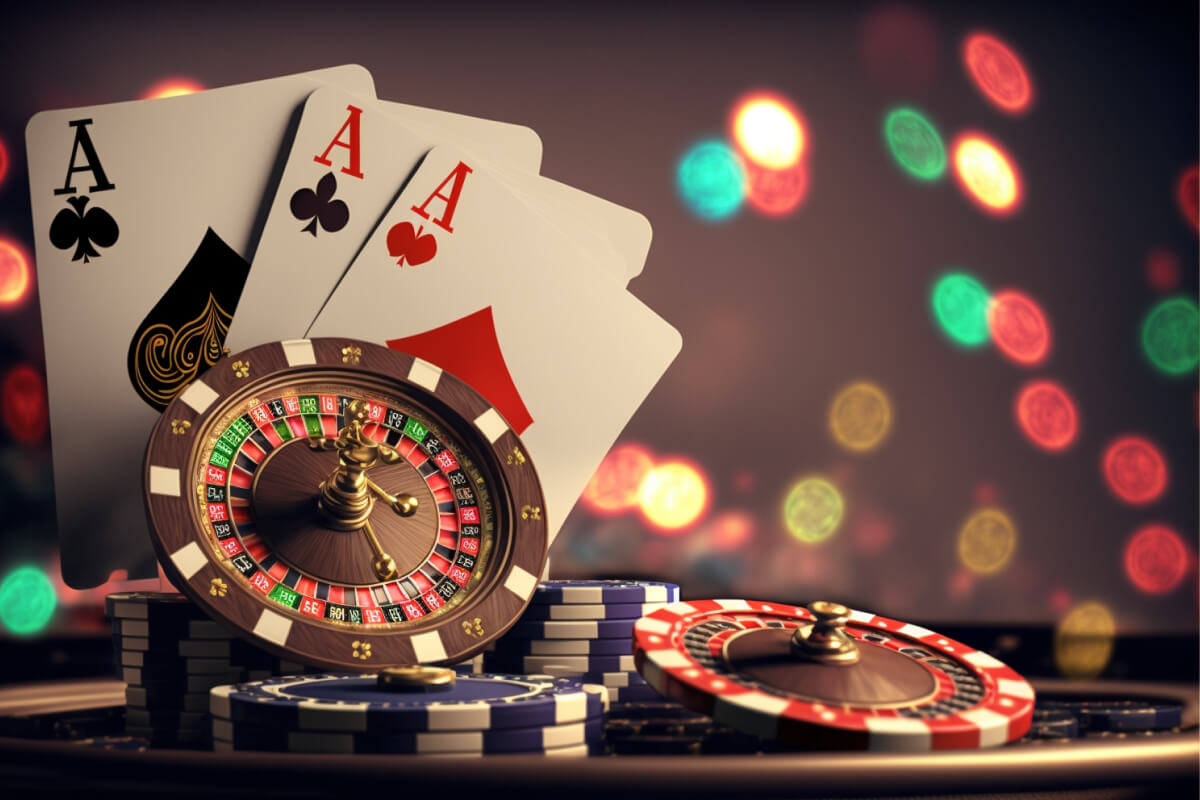
Ultimately, acknowledging the coexistence of luck and skill in gambling can enrich a player’s understanding of their gameplay. By emphasizing skill development, players can work towards improved outcomes while simultaneously accepting that luck will always play a crucial, albeit unpredictable, role in their gaming experiences. This balanced approach can foster a healthier relationship with gambling, reducing reliance on luck alone and promoting responsible gaming practices.
The Role of Randomness in Gambling Outcomes
Randomness is a fundamental principle that underpins most gambling games, and grasping this concept is vital for players. Every outcome in games such as slots, roulette, or dice games is determined by a random number generator or other statistical mechanisms designed to guarantee fairness and unpredictability. This randomness creates a level playing field where luck can thrive, and many players find this element thrilling and enticing, adding to the excitement of the gambling experience.
However, it is crucial to understand that randomness does not assure success nor eliminate the risk of loss. A prevalent misconception among players is that patterns can emerge from random sequences, which can lead them to chase “hot” or “cold” streaks. While it is common to experience a series of wins or losses that feel like part of a pattern, each round in a game of chance is independent of the others. Acknowledging this reality can help players manage their expectations and maintain a clear perspective regarding their gambling activities.
Moreover, the randomness inherent in gambling often fuels the excitement and adrenaline rush that draw many individuals to these games. This unpredictability can be a double-edged sword; while it may lead to exhilarating wins, it can also result in significant losses. By recognizing that luck plays a role in a game governed by randomness, players are encouraged to adopt informed strategies and engage in responsible gambling, ultimately ensuring a more enjoyable and sustainable experience.
The Mentality of Luck and its Psychological Effects
The psychological effects of believing in luck can exert a significant influence on gambling behavior. Players who embrace a lucky mindset often approach gambling with optimism and enthusiasm, attributing their successes to the favor of fortune. This positive outlook can enhance the enjoyment of the overall experience, encouraging continued engagement with various games. However, this belief can also lead to adverse consequences, particularly if players start to believe they can control luck.
Many gamblers develop rituals or habits they believe enhance their luck, such as wearing certain clothing or frequenting specific venues. While these practices can instill a sense of comfort and confidence in players, they may also promote a misleading sense of control over an inherently unpredictable environment. The danger lies in the potential for players to chase losses or develop gambling addictions, convinced that their luck will change if they persist in their efforts.
Understanding the psychological impact of luck is essential for cultivating a healthier approach to gambling. By emphasizing responsible gambling habits and recognizing that luck is not a guaranteed factor for success, players can mitigate the risks associated with overindulgence. Fostering a balanced view of luck, complemented by skill and strategic play, can enhance both the enjoyment and safety of the gambling experience.
Conclusion and Resources for Responsible Gambling
Understanding the intricate relationship between luck, skill, and randomness is crucial for anyone engaging in gambling. While luck undeniably plays a substantial role in the outcomes of various games, developing skills and adopting responsible gambling practices can lead to a more balanced and satisfying experience. Recognizing the limitations of luck empowers players to make informed decisions, refine their strategies, and ultimately enhance their overall satisfaction with their gambling experiences.
For those interested in exploring gambling responsibly, a wealth of resources is available. Organizations dedicated to promoting safe gambling practices offer invaluable information, support, and tools designed to help players maintain their well-being. Engaging with these resources can provide deeper insights into managing risks, setting limits, and creating a positive gambling environment.
Ultimately, by embracing both luck and skill, players can navigate the gambling landscape more effectively. Whether one enjoys the thrill of chance or seeks to hone their strategies, understanding this intricate relationship can lead to a more rewarding and responsible gambling journey, ensuring that the experience remains enjoyable and safe for all involved.